

We take the time to truly listen and understand your needs.








![bg_removal [Background removed]](https://jenniferporterlaw.com/wp-content/uploads/2025/11/bg_removal-Background-removed-300x294.webp)







Probate does not begin in a courtroom. It usually begins at a kitchen table with a stack of documents and a quiet question: What do I do now? If you are the executor of an estate or you need to understand how an estate will be managed, speaking with a Norfolk probate lawyer allows you to move forward with structure instead of uncertainty.
The state’s probate system is procedural. It rewards organization and punishes casual management. The steps are clear, but you must follow them precisely. Our experienced estate planning attorneys at Jennifer Porter Law, PLLC, can help you navigate the probate system with empathy.
What Is the Probate Process?
Probate starts with qualification before the clerk of the circuit court. The executor must file the will (if there is one), take an oath, and receive legal authority to act for the estate. An estate administration attorney in Norfolk often prepares these documents to ensure the appointment is handled correctly.
After qualification, the executor must open an estate account, identify assets held solely in the decedent’s name, and determine the date-of-death values. Banks require certified proof before releasing funds. If real estate is involved, the title must be reviewed before any transfer or sale.
State law requires an inventory and a detailed accounting. If there is no valid will, state law determines who inherits the estate under its statutory succession rules. Even straightforward estates can take several months to complete.
When Probate Is Disputed or Complex
When concerns arise about valuation, distribution decisions, or the validity of the will itself, it is important to seek probate counsel in Norfolk. Claims of undue influence or lack of capacity shift probate into contested litigation. These claims are time-sensitive and governed by strict rules.
The need to pay creditors can add complexity in probate. State law prioritizes claims in a specific order, so an executor who distributes assets prematurely can create personal exposure. Additionally, questionable claims should be reviewed before any payment is made.
Real estate transactions add procedural pressure. Authority to sell must be either clear under the will or confirmed by court process. Documentation errors can delay closing or create title issues later.
If the estate includes a business interest, governing agreements may dictate rights and limitations that override assumptions. These situations require careful analysis before transferring any assets.
Probate rarely fails because of one issue, but it can become difficult when procedural requirements are underestimated.
The Role of a Probate Lawyer
The responsibility of a Norfolk estate attorney is disciplined administration, with tasks including:
- Preparing qualification documents
- Tracking deadlines
- Reviewing inventory and accounting filings
- Communicating with beneficiaries
Executors operate under fiduciary duties, with tasks including reviewing proposed distributions, confirming creditor obligations, and ensuring that court approvals are secured before closing the estate.
These tasks protect both the executor and the estate. The process is manageable when approached deliberately.
Call an Estate Administration Attorney in Norfolk
Probate is a formal process with defined responsibilities, court oversight, and potential liability for the person in charge. It requires attention to timing, documentation, and statutory rules. When managed carefully, estates can move from qualification to closure without unnecessary delay or conflict.
If you are serving as an executor or anticipate a dispute involving an estate, consult a Norfolk probate lawyer to evaluate your position and outline your next steps. Early guidance can prevent correction later. Contact Jennifer Porter Law, PLLC, to schedule a focused review of your case.

Attention to detail that larger firms often overlook.

A focus on quality, not quantity.
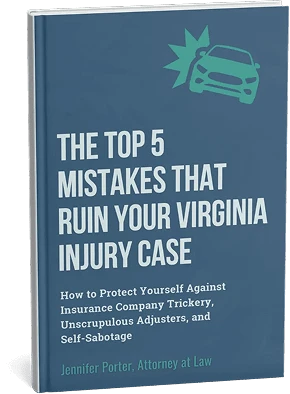
The Top 5 Mistakes That Ruin Your Virginia Injury Case
The Top 5 Mistakes That Ruin Your Virginia Injury Case
HOW TO PROTECT YOURSELF AGAINST INSURANCE COMPANY TRICKERY, UNSCRUPULOUS ADJUSTERS, AND SELF-SABOTAGE
Fill out the form below to download our FREE guide.